

Deworming is an essential part of responsible dog ownership because intestinal parasites can affect your dog’s digestion, appetite, energy, growth, and overall health. Even dogs that appear healthy can carry worms without showing obvious symptoms. Following an appropriate dog deworming schedule helps protect your pet from preventable parasite infections.
But how often should you deworm your dog? The answer depends on your dog’s age, lifestyle, health condition, environment, and exposure to other animals. Puppies generally require more frequent treatment than adult dogs, while senior dogs and pets with outdoor lifestyles may need additional parasite screening.
A consistent approach to dog worm prevention can reduce the risk of intestinal infections and help protect other pets and family members. Understanding the recommended dog deworming frequency is an important part of maintaining your dog’s long-term health.
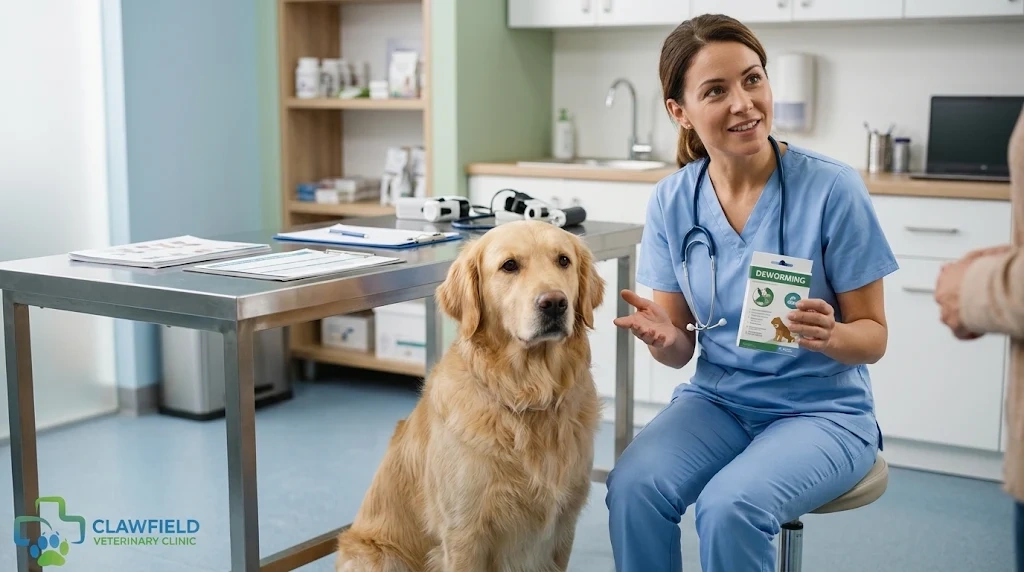
How Often Should You Deworm Your Dog?
There is no single deworming frequency that is suitable for every dog. Puppies, adult dogs, senior pets, and dogs with frequent outdoor exposure have different parasite risks. A veterinarian can recommend a suitable treatment plan based on your dog’s individual circumstances.
According to the Companion Animal Parasite Council (CAPC), puppies should receive their first anthelmintic treatment at approximately two weeks of age, followed by treatment every two weeks until regular broad-spectrum parasite prevention begins. Adult dogs should generally receive year-round broad-spectrum parasite control.
For healthy adult pets, CAPC recommends intestinal parasite testing at least twice annually, with more frequent testing when health conditions, outdoor access, travel, or contact with other animals increase the risk. Puppies should have at least four fecal examinations during their first year.
The European Scientific Counsel Companion Animal Parasites (ESCCAP) also recommends an individual risk-based approach. When a dog’s parasite exposure cannot be reliably assessed, its guidance recommends treating or testing for intestinal worms at least four times annually.
Recommended Deworming Schedule for Puppies
Puppies are particularly vulnerable to intestinal parasites because they can acquire infections from their mother before or shortly after birth. Their developing immune systems and frequent environmental exploration make early puppy deworming an important part of preventive veterinary care.
The best age to start deworming puppies is usually around two weeks. Veterinary guidelines commonly recommend repeating treatment every two weeks until approximately four to eight weeks of age, when an appropriate monthly broad-spectrum preventive product can be introduced under veterinary supervision.
A puppy deworming schedule may continue with regular parasite prevention and fecal testing throughout the first year. Some traditional protocols use monthly treatment until six months of age and then quarterly treatment when year-round broad-spectrum protection is not being used. The correct plan depends on the medicine, parasite risks, and your veterinarian’s recommendation.
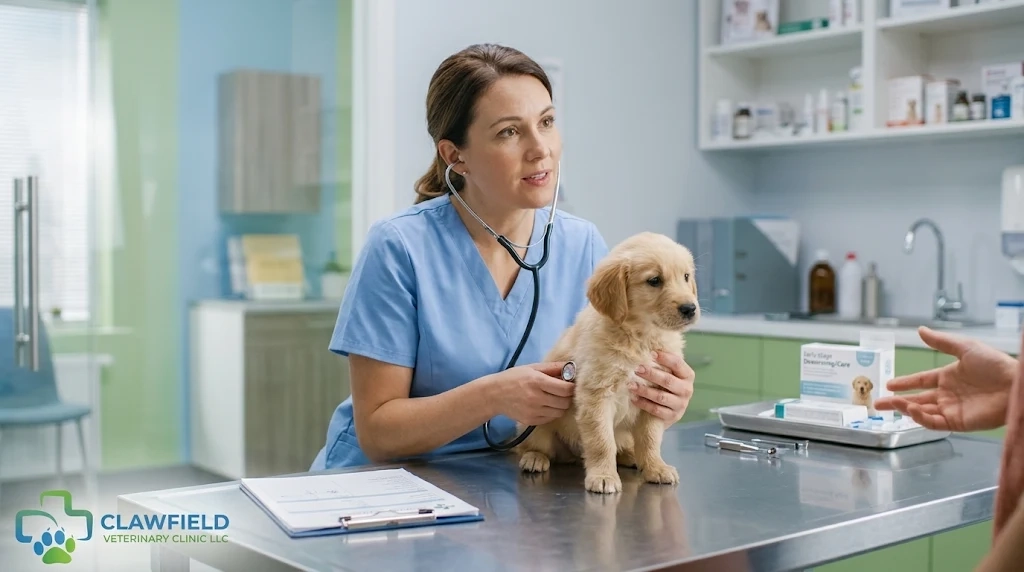
How Often Should Adult Dogs Get Dewormed?
Adult dog deworming is generally based on ongoing parasite protection rather than waiting until visible signs of worms appear. Dogs that regularly visit outdoor spaces, interact with other animals, hunt, scavenge, or consume raw meat may have a greater risk of intestinal worm infections.
Regular dog deworming should be included in an adult dog’s preventive healthcare plan. Many veterinary guidelines recommend year-round broad-spectrum parasite control, while routine fecal testing helps determine whether the current prevention plan is working effectively.
How frequently dogs need deworming depends on their individual exposure. A veterinarian may recommend monthly parasite prevention, targeted treatment after testing, or a different schedule depending on the product and the parasites that are common in the dog’s environment.
Should Senior Dogs Be Dewormed Regularly?
Senior dogs still need parasite protection because age does not eliminate the possibility of worm infections. Older pets may also have underlying health conditions that make it especially important to identify and treat infections early.
A veterinarian may recommend regular parasite screening alongside routine veterinary checkups. The treatment plan should account for the dog’s medical history, current medications, weight, appetite, digestive health, and ability to tolerate specific deworming products.
Difference Between Puppy and Adult Dog Deworming
The main difference between puppy and adult dog deworming is the frequency of early treatment and monitoring. Puppies generally need more frequent deworming and fecal examinations during their first months, whereas adult dogs usually follow an ongoing preventive plan adjusted to their lifestyle.
Deworming puppies and adult dogs should never involve guessing medication amounts or using the same schedule for every animal. Age-appropriate products, accurate weight measurements, and veterinary advice help ensure safe dog deworming.
Why Is Regular Dog Deworming Important?
Intestinal parasites can interfere with nutrient absorption, irritate the digestive system, and cause a range of health problems. Some infections may lead to diarrhea, vomiting, poor growth, weight loss, anemia, or weakness if they remain untreated.
The importance of routine dog deworming goes beyond treating an existing worm infection. Preventive care helps reduce the chance of parasites developing, spreading through contaminated environments, or affecting other animals in the household.
Veterinary-approved dog parasite prevention also contributes to dog health and parasite control by combining appropriate medication, screening, hygiene, and monitoring. These measures help protect dogs from parasite infections throughout different life stages.
Common Types of Worms in Dogs
Several parasites can affect a dog’s digestive system, and each may require a different treatment approach. Understanding common worms in dogs helps owners recognize why professional diagnosis and an appropriate worm treatment are important.
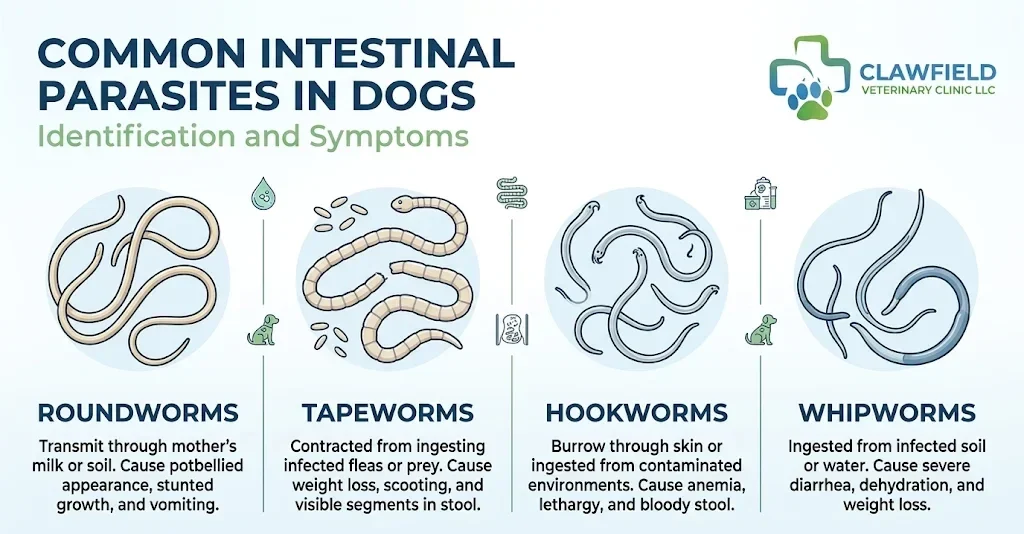
Roundworms in dogs are particularly common in puppies and may cause a swollen abdomen, digestive problems, poor growth, and visible worms in vomit or stool. Puppies can acquire roundworms from their mother, making early testing and prevention important.
Tapeworms in dogs are often associated with swallowing infected fleas or consuming infected prey. Owners may notice small, rice-like segments around the dog’s anus, in bedding, or in its stool.
Hookworms in dogs attach to the intestinal lining and feed on blood. Heavy infections can cause anemia, weakness, pale gums, and digestive problems, especially in young puppies.
Whipworms in dogs live in the large intestine and may cause recurring diarrhea, weight loss, dehydration, and inflammation. Some infected dogs show few symptoms, which makes routine parasite screening valuable.
Common Signs Your Dog May Have Worms
Recognizing the signs of worms in dogs can help you seek treatment before an infection becomes more serious. Some dogs show obvious digestive symptoms, while others continue eating and playing normally despite carrying intestinal parasites.
Common symptoms of intestinal worms include recurring diarrhea, vomiting, unexplained weight loss, bloating, changes in appetite, a dull coat, and visible worms or segments in the stool. Some dogs may also drag their bottoms across the floor or lick the area around their anus.
How to Identify Worms in Dogs
Knowing how to identify worms in dogs requires observing changes in their behavior, digestion, and physical condition. Small rice-like segments may indicate tapeworms, while a pot-bellied appearance in a puppy can sometimes suggest a roundworm infection.
However, signs your dog has worms are not always easy to recognize. Some parasites produce symptoms similar to other digestive conditions, so a veterinary examination is more reliable than trying to diagnose an infection through appearance alone.
What Happens If You Do Not Deworm Your Dog?
What happens if you do not deworm your dog depends on the parasite involved and the severity of the infection. Some dogs may develop persistent digestive problems, nutritional deficiencies, anemia, or poor growth.
An untreated worm infection can also contribute to environmental contamination and expose other animals to parasites. Timely veterinary parasite treatment helps manage existing infections and reduces the possibility of repeated transmission.
How Do Dogs Get Intestinal Worms?
Understanding how dogs get intestinal worms is essential for developing an effective parasite prevention routine. Dogs can become infected through contaminated environments, infected fleas, infected prey, raw or undercooked meat, and contact with contaminated animal feces.
For example, dogs may swallow parasite eggs while licking their paws after walking over contaminated ground. Some hookworm larvae can also enter through the skin, while puppies may acquire particular roundworm infections from their mothers.
Can Dogs Get Worms From Contaminated Soil?
Yes, dogs can get worms from contaminated soil, especially when they explore areas where infected animals have passed feces. Certain parasite eggs and larvae can remain in the environment and become a source of infection.
Dogs that dig, sniff, lick, or eat things from the ground may accidentally ingest infectious material. Keeping outdoor spaces clean and avoiding contact with animal waste are important parts of dog intestinal parasite prevention.
Can Fleas Cause Intestinal Worm Infections?
Fleas are an important part of the parasite prevention discussion because infected fleas can transmit certain tapeworms. When a dog swallows an infected flea while grooming, the tapeworm can develop inside its digestive system.
This is why dog parasite prevention should include an appropriate flea-control plan alongside intestinal worm management. Treating intestinal parasites without addressing a flea infestation may leave the dog vulnerable to reinfection.
Can Humans Catch Worms From Dogs?
Some intestinal parasites found in dogs can also infect people, which makes proper hygiene important for the whole household. Certain roundworms and hookworms have zoonotic potential, although transmission depends on the parasite and the type of exposure.
Children should avoid playing in areas contaminated with animal feces, and everyone should wash their hands after handling dog waste. The CDC’s guidance on dog health and hygiene provides additional advice about routine veterinary care, waste disposal, and handwashing.
How Vets Diagnose Intestinal Worms in Dogs
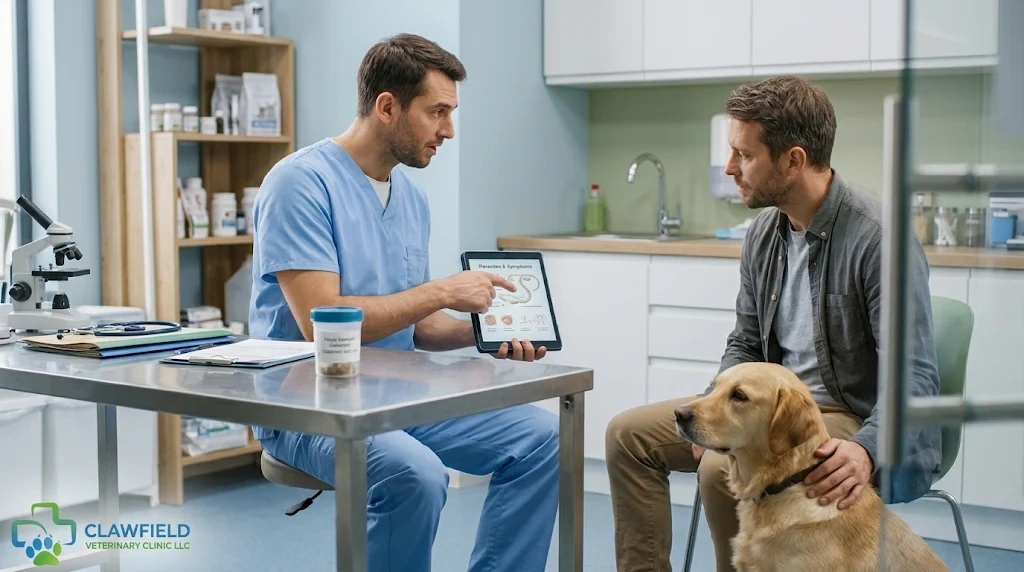
Professional diagnosis is important because different intestinal parasites require different treatments. How vets diagnose intestinal worms usually begins with a physical examination, medical history, and questions about the dog’s diet, outdoor activities, previous medication, and digestive symptoms.
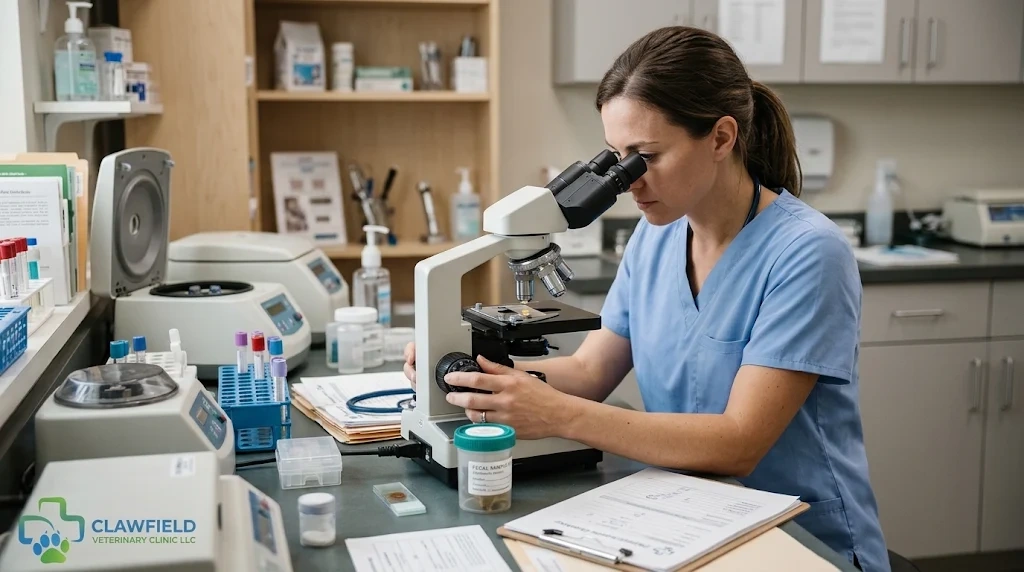
A dog fecal examination is one of the most useful diagnostic methods. The veterinarian examines a stool sample under laboratory conditions to look for parasite eggs, larvae, or other evidence of infection.
Depending on the suspected parasite, additional testing may include fecal antigen testing or PCR examination. Some infections are difficult to identify through a single routine stool test, so further examination may be necessary.
Importance of Routine Parasite Screening
Routine parasite screening can help identify infections even when a dog does not display obvious symptoms. CAPC recommends at least four intestinal parasite examinations during the first year of life and at least two examinations annually for healthy adult pets, with adjustments according to individual risk.
Regular parasite screening is particularly important for puppies, dogs with previous infections, and pets that frequently interact with other animals. It also helps veterinarians evaluate whether an existing prevention programme is providing adequate protection.
Choosing the Right Dewormer for Your Dog
Choosing the right dewormer for dogs is just as important as selecting the correct treatment frequency. Different products contain different active ingredients, and not every deworming medicine for dogs treats every type of intestinal parasite.
The best dewormer for dogs depends on the suspected worm, your dog’s age, body weight, health condition, and previous treatment history. A veterinarian may recommend a tablet, liquid medication, or another suitable veterinary formulation.
Dog worm medicine should always be administered according to professional instructions. Using an incorrect dose or an unsuitable product may result in ineffective treatment or unnecessary side effects.
How to Deworm Dogs Safely
Understanding how to deworm dogs starts with obtaining the correct diagnosis and choosing an age-appropriate medication. Your veterinarian will check your dog’s weight and health before explaining the appropriate dose and administration instructions.
Safe dog deworming also requires following the recommended treatment interval. Some products require a repeat dose, while others form part of a regular preventive programme, so owners should never assume that every medication follows the same dog deworming treatment schedule.
Side Effects of Dog Deworming Medication
Most appropriately selected deworming treatments are well tolerated, but side effects of dog deworming medication can sometimes occur. Temporary vomiting, loose stools, reduced appetite, or mild digestive discomfort may occur depending on the medication and the individual dog.
Contact your veterinarian if symptoms are persistent, severe, or accompanied by weakness, repeated vomiting, bloody diarrhea, or unusual behavior. Puppies, pregnant dogs, and pets with existing medical conditions may need additional care when receiving medication.
How Long Does Dog Deworming Treatment Take?
How long does dog deworming treatment take depends on the medication, parasite type, and severity of infection. Some treatments begin working quickly, but eliminating an infection and confirming that the dog is parasite-free may require additional time.
Certain parasites have life cycles that make repeat treatment or follow-up testing necessary. Your veterinarian may recommend another fecal examination to check whether the worm treatment has been successful.
Can You Deworm a Dog Too Often?
Yes, unnecessary or incorrectly timed treatment can expose a dog to medication without providing an additional health benefit. Giving the wrong product, using an excessive dose, or repeating treatment without professional advice may cause avoidable complications.
Safe parasite control for household pets means using an appropriate product at the right time. A veterinary professional can establish the correct treatment interval instead of relying on an unnecessarily frequent worm treatment routine.
Practical Ways to Prevent Worm Infections in Dogs
Preventing intestinal parasites in pets requires more than simply giving deworming medicine. Good hygiene, suitable nutrition, regular examinations, and environmental management all contribute to better long-term dog health.
A consistent parasite prevention routine should include prompt disposal of dog feces, suitable flea control, and preventing dogs from eating unidentified waste or infected prey. Owners should also provide clean drinking water and commercially prepared or properly cooked food rather than feeding raw animal products without veterinary guidance.
Maintaining your dog’s digestive health also involves monitoring appetite, stool consistency, body weight, and daily activity. Any unusual changes should be discussed with a veterinarian rather than automatically treated with a deworming product.
Keep Your Dog’s Environment Clean
Dog owners should immediately remove feces from gardens, outdoor spaces, and walking areas. This reduces environmental contamination and helps prevent parasite eggs from accumulating in places where dogs and other animals spend time.
Dogs should be discouraged from eating animal feces, drinking from contaminated water sources, or scavenging in outdoor areas. These simple habits help protect dogs from worms and reduce the risk of repeated intestinal worm infection.
Maintain Regular Veterinary Checkups
Regular veterinary checkups allow professionals to monitor your dog’s weight, digestive health, and parasite exposure. They also provide an opportunity to review the current deworming schedule and check whether changes are necessary.
Preventive veterinary care for dogs should address more than intestinal parasites. Flea and tick prevention, suitable vaccinations, nutritional guidance, and other routine examinations all contribute to a healthier pet.

Dog Deworming and Veterinary Care in Dubai
Dubai’s residential communities, walking routes, shared outdoor spaces, and pet-friendly facilities make responsible parasite prevention an important part of everyday dog ownership. Dogs that regularly explore landscaped areas, interact with other animals, or travel between different environments may need a carefully reviewed parasite prevention plan.
For families around Nad Al Sheba, Al Merkadh, Meydan, and nearby residential communities, keeping up with dog health appointments and collecting pet waste promptly can help reduce unnecessary exposure to intestinal parasites. Dogs should not be allowed to eat animal feces or investigate contaminated waste during their daily walks.
Dubai also has local animal-health requirements that support responsible pet ownership. Under Dubai Law No. 5 of 2025 Concerning Public Health, animal keepers have responsibilities relating to preventive and curative veterinary services, periodic examinations, and measures to prevent animal diseases and zoonoses.
The Dubai Municipality Veterinary Services Section also provides information about animal-health services and the monitoring of veterinary establishments. These resources are useful for owners who want to understand local veterinary care and animal-welfare requirements.
Local searches for dog deworming in Dubai, dog deworming Dubai, puppy deworming in Dubai, dog worm treatment Dubai, and veterinary deworming Dubai often reflect the need for reliable preventive care. Other relevant searches include dog parasite treatment in Dubai, dog deworming clinic Dubai, and vet clinic for dog deworming.
Owners may also look for a dog health checkup Dubai, pet parasite prevention Dubai, or dog vaccination and deworming Dubai when planning their pet’s healthcare. Choosing professional dog deworming services Dubai pet owners can trust means prioritizing qualified veterinary advice, suitable diagnostic testing, and an individualized prevention programme.
When selecting a pet clinic in Dubai, ask about parasite screening and follow-up testing. A vet clinic in Dubai should be able to explain medication choices and treatment intervals, while a veterinary clinic in Dubai should provide appropriate preventive and diagnostic veterinary services.
Frequently Asked Questions About Dog Deworming
1. How Often Should You Deworm Your Dog?
The recommended dog deworming frequency depends on your dog’s age, lifestyle, and risk of parasite exposure. Puppies generally need treatment every two weeks during their early weeks, followed by an appropriate ongoing prevention programme. Adult dogs usually require year-round parasite control and regular fecal testing.
2. At What Age Should Puppies Be Dewormed?
Puppies generally begin deworming at around two weeks of age. Treatment is commonly repeated every two weeks until approximately four to eight weeks, when a suitable broad-spectrum preventive product may be introduced under veterinary guidance.
3. How Often Do Puppies Need Deworming?
How often do puppies need deworming depends on their age and the medication being used. Early treatment is generally more frequent than adult dog deworming because puppies are especially vulnerable to certain intestinal parasites.
4. How Many Times a Year Should Dogs Be Dewormed?
There is no universal number suitable for every dog. Some risk-based guidelines recommend treatment or fecal testing at least four times annually when a dog’s intestinal worm exposure cannot be clearly assessed. Other veterinary plans use year-round broad-spectrum prevention with regular stool examinations.
5. When Should I Deworm My Dog?
When should I deworm my dog depends on its previous treatment history, current medication, age, and parasite exposure. Puppies follow an early-life schedule, while adult dogs should have their preventive plan reviewed during routine veterinary appointments.
6. Is Monthly Deworming Necessary for Dogs?
Monthly deworming is not automatically necessary for every dog. However, many veterinary preventive programmes use monthly broad-spectrum products to protect against selected parasites. Your veterinarian should confirm whether monthly medication is appropriate for your pet.
7. Do Indoor Dogs Need Regular Deworming?
Yes, indoor dogs can still become infected with intestinal parasites. They may encounter contaminated material during walks, pick up infected fleas, or become exposed through other animals and contaminated environments. Indoor lifestyles do not completely eliminate parasite risks.
8. Can Dogs Get Worms Even After Deworming?
Yes, dogs can become reinfected after treatment because deworming medication does not necessarily provide permanent protection. Dogs may encounter parasite eggs, larvae, infected fleas, or contaminated environments again, making ongoing prevention important.
9. How Long Should You Wait Between Dog Deworming Treatments?
The time between treatments depends on the medication and the parasite being targeted. Some puppy treatments are repeated every two weeks, whereas adult dogs may follow a different routine. Always follow the recommended worm treatment schedule provided by your veterinarian.
10. What Is the Safest Way to Deworm a Dog?
The safest way is to use a veterinary-recommended medication appropriate for your dog’s age, weight, and parasite risk. Avoid giving human medication or repeating an old prescription without checking with a veterinary professional.
11. Can I Deworm My Dog at Home?
Some veterinarian-approved deworming products can be administered at home when the correct medication and dose have been prescribed. However, persistent digestive symptoms or suspected heavy infections require professional examination rather than relying exclusively on home treatment.
12. What Are the Signs That a Dog Needs Deworming?
Possible signs include diarrhea, vomiting, weight loss, abdominal swelling, visible worms in the stool, and changes in appetite. However, some infected dogs have no noticeable symptoms, which is why routine parasite testing is important.
13. Should Dogs Be Dewormed Before Vaccination?
There is no universal requirement that every dog must receive a deworming treatment immediately before vaccination. A veterinarian may examine the dog and recommend parasite treatment when necessary, while ensuring that vaccination is given at an appropriate time according to the pet’s health and vaccination schedule.
14. What Happens If a Dog Misses Its Deworming Treatment?
A missed treatment may leave your dog without the intended level of parasite protection. Contact your veterinarian to confirm when the next dose should be given. Never double a dose to compensate for a missed treatment unless specifically instructed.
15. How Often Should Dogs Be Checked for Worms?
CAPC recommends at least four fecal examinations during a puppy’s first year and at least two examinations annually for healthy adult pets. Dogs with greater exposure or previous infections may require more frequent routine parasite screening.
16. How Do I Know If My Dog Has Intestinal Worms?
You may notice digestive problems, weight loss, bloating, or visible parasite segments. However, laboratory stool testing is a more dependable way to identify many intestinal worm infections, particularly when symptoms are absent.
17. Can Senior Dogs Be Dewormed Regularly?
Yes. Senior dogs still require appropriate parasite prevention throughout their lives. Their medication and examination schedule should be reviewed according to their medical conditions, age, weight, and overall health.
18. How Regularly Should Dogs Receive Worm Treatment?
Dogs should receive worm treatment according to an individualized veterinary prevention plan. Some require regular broad-spectrum medication, while others may benefit from risk-based testing and targeted treatment.
Conclusion: Keep Your Dog Protected With the Right Deworming Schedule
Dog deworming is an important part of maintaining good digestive health and preventing avoidable parasite infections. Puppies generally require more frequent early treatment, while adult and senior dogs need ongoing parasite protection based on their health, lifestyle, and exposure.
Understanding the signs of worms, maintaining clean surroundings, arranging regular fecal examinations, and using appropriate medication can make a meaningful difference in your dog’s well-being. Rather than following a one-size-fits-all routine, work with a qualified veterinarian to create a suitable preventive healthcare plan.
At Clawfield Veterinary Clinic, responsible pet care starts with understanding each dog’s individual health requirements. Consistent examinations, appropriate parasite screening, and veterinarian-guided prevention can help your dog enjoy a healthier and more comfortable life.