

Pet dental care is an essential part of keeping dogs and cats healthy, comfortable, and active throughout their lives. Healthy teeth and gums help pets eat properly, maintain good oral hygiene, and enjoy their daily activities without discomfort. However, dental problems can develop gradually, making them difficult to recognize during the early stages.
Many pet owners associate bad breath with normal animal behavior, but persistent unpleasant breath may indicate plaque buildup, gum inflammation, or periodontal disease. Without proper attention, these conditions can cause pain, tooth loss, and other complications that affect a pet’s quality of life.
Understanding the importance of pet dental health allows owners to recognize warning signs, establish effective home-care routines, and seek professional veterinary advice when necessary. Regular dental examinations and preventive care can help identify oral health problems before they become more serious.
Why Pet Dental Care Is Important for Overall Health
Pet dental care involves maintaining clean teeth, healthy gums, and a comfortable mouth through daily hygiene and professional veterinary assessments. It is not simply about keeping a pet’s breath fresh; it is an important part of preventive healthcare that supports long-term wellness.
Dental plaque forms when bacteria and food particles accumulate on the teeth. If plaque is not removed regularly, it can harden into tartar, which may irritate the gums and contribute to periodontal disease. This condition can progress below the gumline, damaging the tissues and structures that support the teeth.
Poor oral health can also make chewing uncomfortable, reduce appetite, and affect normal behavior. In advanced cases, oral infections and chronic inflammation may have wider health implications. Maintaining healthy teeth and gums is therefore an important part of caring for a pet’s overall well-being.
The Connection Between Oral Health and General Wellness
A pet’s mouth is an important part of its overall health. When dental disease causes pain or inflammation, pets may become less interested in food, avoid hard treats, chew on one side, or become unusually withdrawn.
Although dental disease does not automatically cause problems in every other organ, severe oral infections and chronic inflammation can have broader health implications. Early veterinary assessment helps identify dental conditions and determine whether additional treatment is needed.
Benefits of Preventive Dental Care
Preventive dental care can help reduce plaque accumulation, maintain healthier gums, and identify potential problems before they become advanced. Regular assessments also allow veterinarians to recommend suitable cleaning methods, dental products, and treatment options for individual pets.
Establishing an oral hygiene routine early in life can make dental care more familiar and less stressful. Puppies and kittens can gradually learn to tolerate gentle mouth handling, helping owners maintain their dental health as they grow.
Common Dental Problems in Dogs and Cats
Dogs and cats can experience several oral health conditions, ranging from mild plaque buildup to painful infections and advanced periodontal disease. Recognizing these problems helps pet owners understand when routine home care is appropriate and when professional veterinary treatment is necessary.
Plaque and Tartar Buildup
Plaque is a soft film containing bacteria that accumulates on the surfaces of teeth. Without regular removal, it can mineralize into tartar, which is harder to remove and may contribute to gum irritation.
Tartar buildup often appears as yellow or brown deposits near the gumline. Although visible deposits can indicate a dental problem, the severity of disease cannot always be determined by looking at the teeth alone. A veterinary dental examination can help assess the mouth more thoroughly.
Gingivitis and Periodontal Disease
Gingivitis is inflammation of the gums that may cause redness, swelling, and bleeding. When identified early, it may be reversible with appropriate professional cleaning and improved oral hygiene.
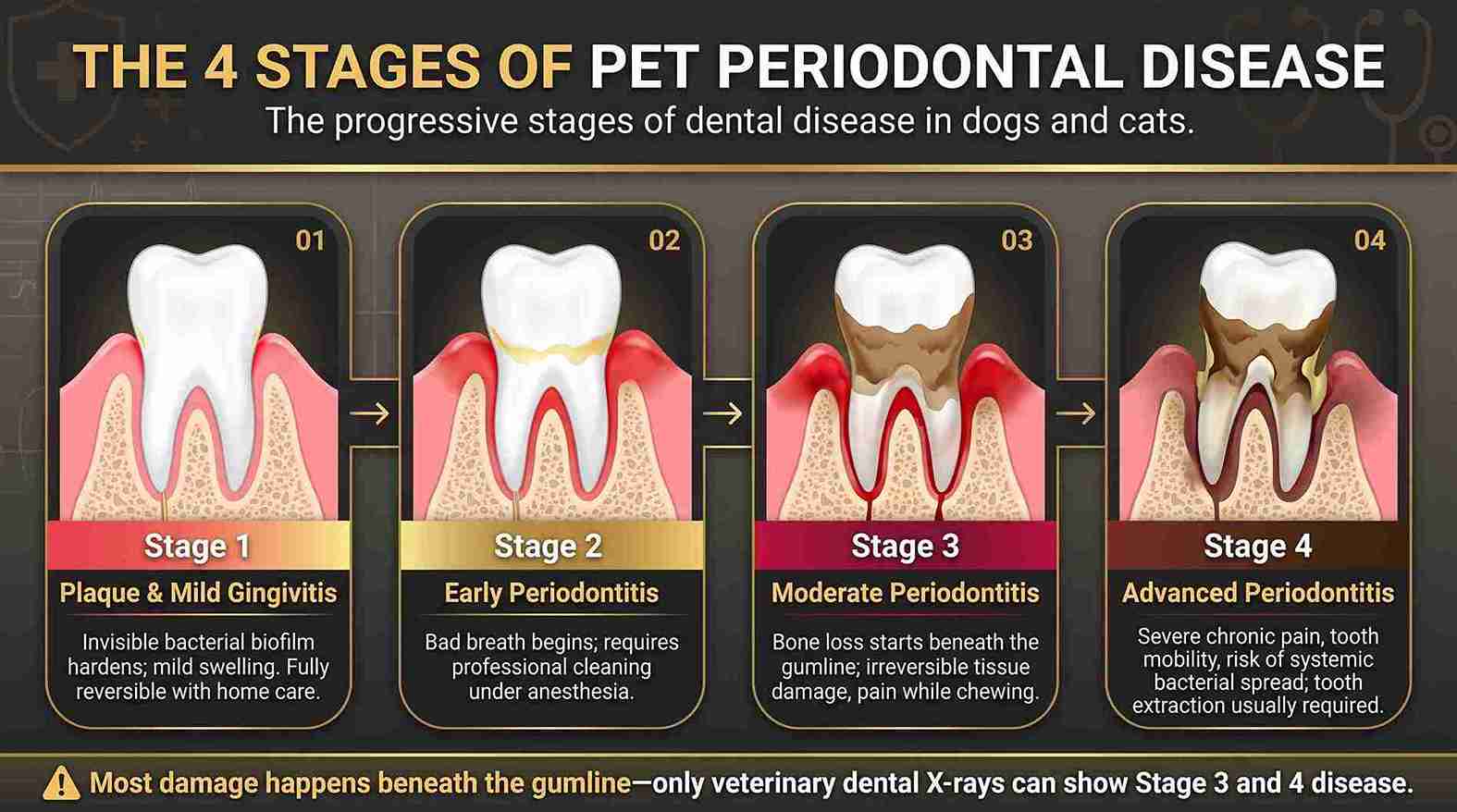
Periodontal disease develops when inflammation and infection affect the tissues supporting the teeth. Advanced disease can damage the gums, ligaments, and surrounding bone, potentially leading to loose teeth or tooth loss. Dogs and cats may continue eating despite significant dental discomfort, so a normal appetite does not rule out oral disease.
Bad Breath in Dogs and Cats
Persistent bad breath, also called halitosis, is a common sign of dental disease. Bacterial buildup, gum inflammation, infected teeth, and other oral conditions can create an unpleasant odor that should not be ignored.
Occasional changes in breath may have different causes, but ongoing or severe bad breath deserves veterinary attention. If it occurs alongside drooling, bleeding, facial swelling, or difficulty eating, prompt assessment is especially important.
Tooth Damage and Oral Infections
Broken teeth, damaged enamel, and infected tooth roots can cause considerable discomfort. Cats may develop painful tooth resorption, while dogs can damage their teeth by chewing on very hard objects.
Pets do not always show obvious signs of tooth pain. A veterinarian can examine the mouth and recommend further diagnostics, such as dental X-rays, when necessary to identify problems hidden beneath the gumline.
Signs Your Pet May Have Dental Problems
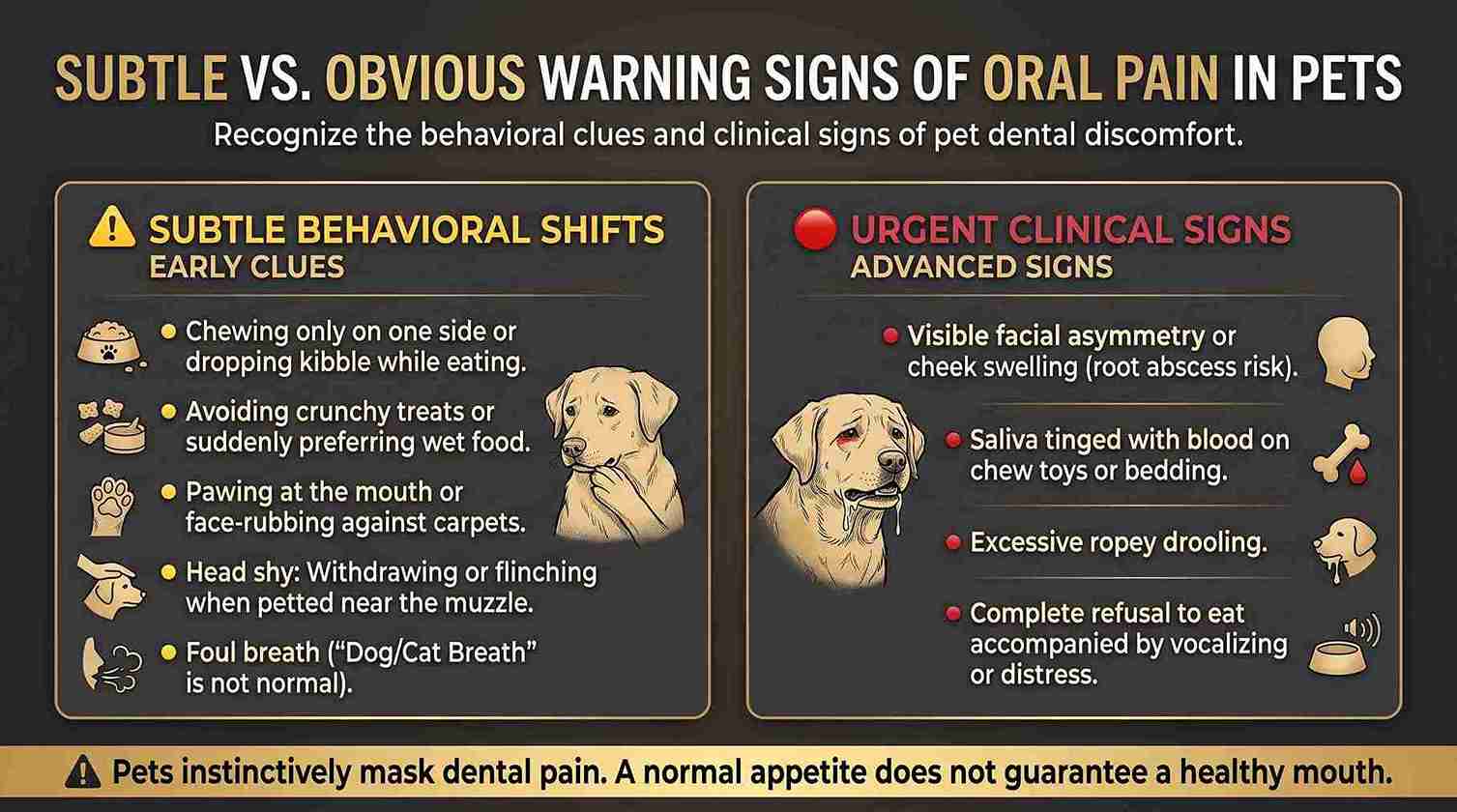
Dental disease often develops gradually, and some pets hide their discomfort. Paying attention to small changes in eating habits, behavior, and mouth appearance can help owners identify problems earlier.
Common warning signs include persistent bad breath, red or swollen gums, visible tartar, excessive drooling, pawing at the mouth, and reluctance to chew hard food. Some pets may drop food while eating, favor one side of the mouth, or become less interested in toys they previously enjoyed.
Changes in behavior can also provide clues. A pet that suddenly avoids being touched around the face, becomes irritable during meals, or spends more time hiding may be experiencing pain or another health issue.
Facial swelling, significant bleeding, difficulty swallowing, or an inability to eat requires prompt veterinary attention. These symptoms should not be managed through home dental cleaning alone.
Why Early Detection Matters
Identifying dental problems early may help prevent avoidable pain and reduce the risk of advanced disease. It also gives veterinarians an opportunity to recommend appropriate treatment before damaged teeth or infected tissues become more difficult to manage.
Regular examinations are particularly valuable for senior pets, small-breed dogs, and animals with a history of dental disease. However, pets of every age and breed can develop oral health problems and benefit from appropriate preventive care.
How Poor Dental Health Can Affect Your Pet’s Well-Being
Dental disease can affect much more than a pet’s teeth. Oral pain may interfere with eating, chewing, grooming, playing, and other normal activities. Over time, these changes can reduce comfort and affect overall quality of life.
Pets experiencing dental discomfort may swallow food with minimal chewing, prefer softer meals, or gradually lose interest in eating. Some may lose weight or show changes in their usual energy levels. These symptoms deserve attention because they can also be associated with conditions unrelated to dental disease.
Advanced periodontal disease may cause loose teeth, damaged supporting tissues, and persistent infection. Severe oral inflammation can also be associated with broader health concerns, although the relationship between dental disease and specific systemic illnesses varies and should be assessed by a veterinarian.
Maintaining oral health is therefore an important component of comprehensive pet healthcare. Dental care works best alongside routine wellness examinations, appropriate nutrition, vaccinations, parasite prevention, and other preventive services recommended for each animal.
Benefits of Professional Pet Dental Cleaning
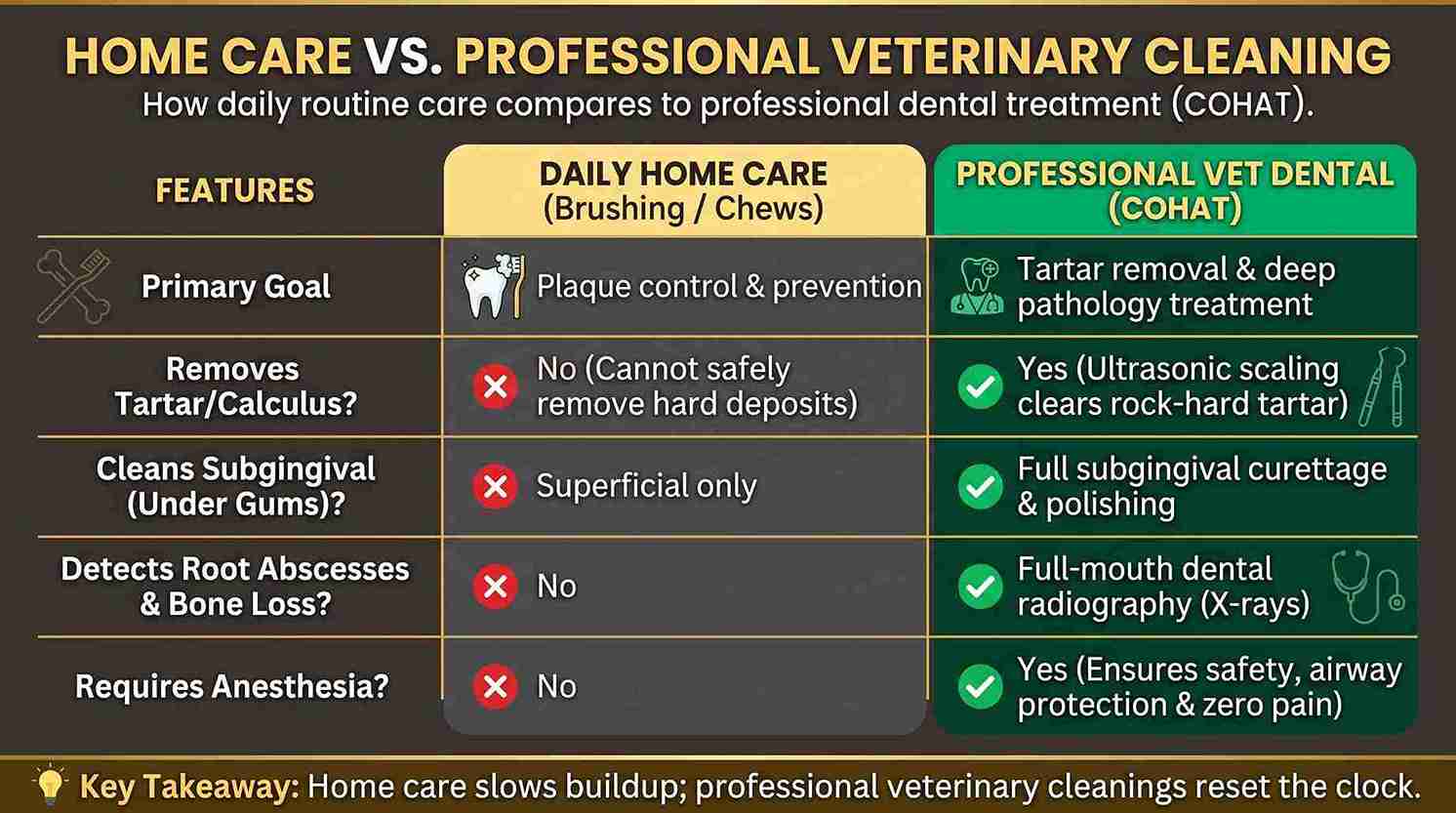
Home dental care is essential, but it cannot reliably remove established tartar or diagnose every problem beneath the gumline. Professional pet dental cleaning allows veterinarians to assess oral health and treat conditions that cannot be managed safely with ordinary brushing.
A professional dental procedure generally involves an examination, appropriate anesthesia, removal of plaque and tartar, and evaluation of the teeth and gums. Dental X-rays may be recommended to examine tooth roots and supporting structures that are not visible during a routine mouth inspection.
Anesthesia is commonly necessary for a thorough veterinary dental cleaning because it allows the veterinary team to examine and clean the teeth safely, including below the gumline. It also helps prevent sudden movement and reduces stress during treatment. The veterinarian evaluates the pet’s health and recommends appropriate precautions before the procedure.
After cleaning, the veterinary team may discuss brushing techniques, suitable dental products, follow-up examinations, or additional treatment if disease is present. The exact procedure depends on the pet’s age, health, and dental condition.
What Happens During a Veterinary Dental Examination?
The process usually begins with a review of the pet’s medical history and a physical examination. The veterinarian assesses visible teeth, gum health, signs of discomfort, and any concerns reported by the owner.
If a professional cleaning is indicated, the team may recommend pre-anesthetic testing based on the pet’s condition and risk factors. Once the pet is considered suitable for the procedure, the teeth can be cleaned and evaluated more thoroughly, with dental imaging or treatment provided when necessary.
Following the procedure, owners receive guidance on recovery and ongoing oral hygiene. They should follow the clinic’s instructions for feeding, medication, activity, and follow-up care.
How Often Should Pets Have Their Teeth Cleaned?
There is no single dental cleaning schedule that suits every dog or cat. Some pets develop tartar or gum disease more quickly than others, depending on their age, breed, individual anatomy, diet, home-care routine, and previous dental problems.
A veterinarian can recommend an appropriate examination schedule and determine whether professional cleaning is necessary. Regular monitoring is more useful than waiting until bad breath, visible tartar, or eating difficulties become obvious.
How to Maintain Your Pet’s Oral Hygiene at Home
Consistent home care helps reduce plaque buildup and supports healthier gums between veterinary examinations. A simple routine that suits the pet’s age, temperament, and health needs is often easier to maintain than an elaborate approach that causes stress.
Brush Your Pet’s Teeth Regularly
Brushing is one of the most effective ways to control plaque when performed correctly. Use a soft pet toothbrush or an appropriate finger brush with toothpaste specifically formulated for dogs or cats.
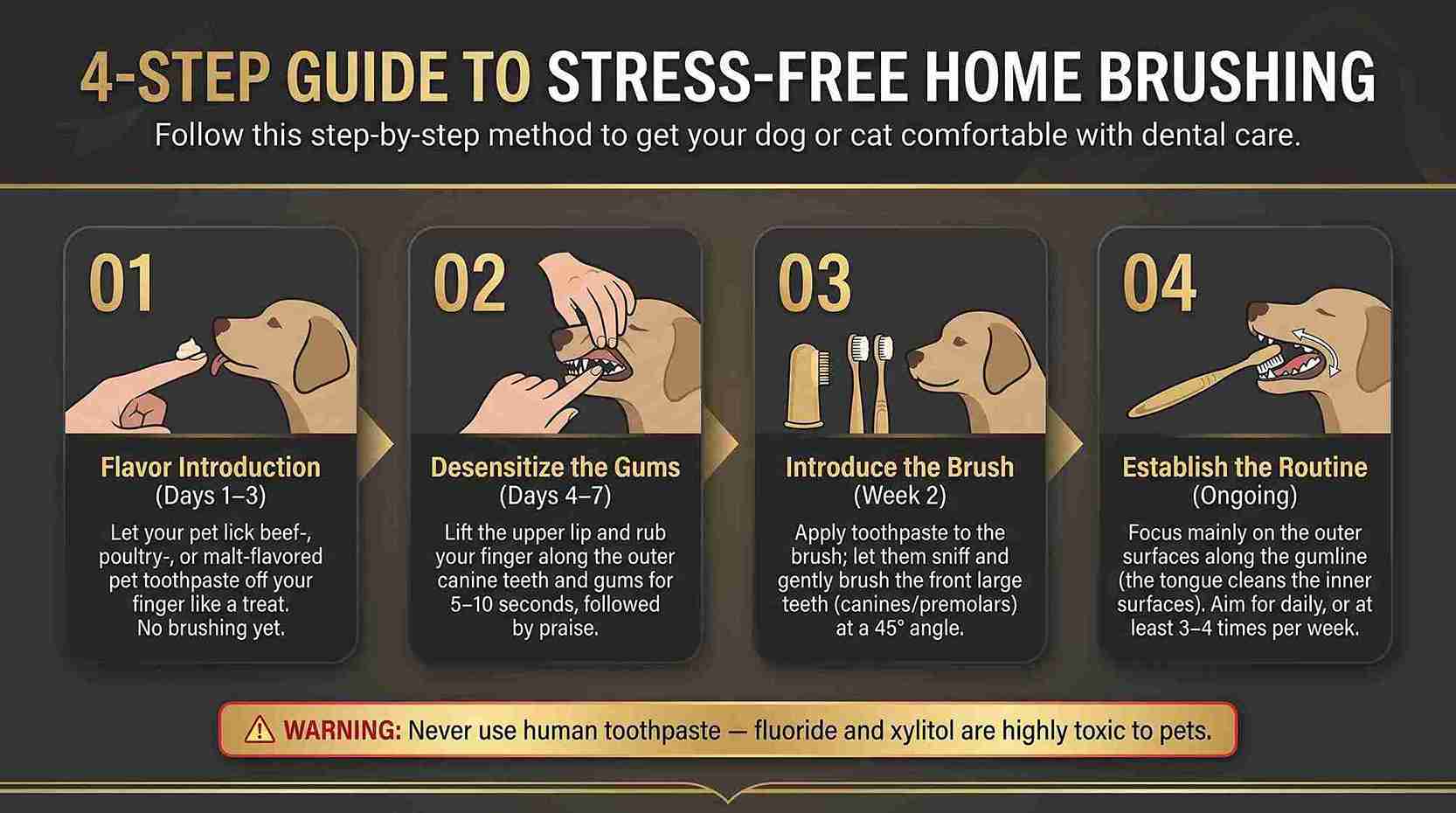
Human toothpaste should not be used because it may contain ingredients that are unsafe for animals, including fluoride in formulations not intended for swallowing and potentially toxic sweeteners such as xylitol. Introduce brushing gradually by allowing the pet to become comfortable with mouth handling before attempting a full session.
Focus on the outer surfaces of the teeth and along the gumline, using gentle movements. Daily brushing is ideal when tolerated, but a veterinarian can recommend a realistic routine for pets that need a gradual introduction.
Choose Suitable Dental Products
Pet dental products may include dental diets, chews, oral gels, water additives, and specially designed toothbrushes. Their effectiveness varies, so owners should choose products appropriate for their pet’s size, age, chewing habits, and health.
Look for products supported by credible veterinary guidance, including options evaluated by the Veterinary Oral Health Council where available. Dental chews should be appropriately sized and supervised to reduce choking risks, and excessively hard objects should be avoided because they can fracture teeth.
Dental products are useful additions to a care routine, but they should not replace veterinary examinations or professional treatment when disease is present.
Support Dental Health Through Appropriate Nutrition
A balanced, complete diet helps support general health, including the tissues involved in maintaining a healthy mouth. However, ordinary dry food does not automatically prevent dental disease, and feeding wet food does not mean that a pet will inevitably develop dental problems.
Some specially formulated dental diets may help reduce plaque or tartar when used as directed. A veterinarian can advise whether a particular diet is appropriate, especially for pets with other medical or nutritional needs.
Make Dental Care a Positive Experience
Pets may initially resist having their mouths handled, so patience is essential. Begin with brief, gentle sessions and reward calm behavior to help build a positive association with oral care.
Never force a painful mouth open or attempt to scrape off firmly attached tartar with household tools. These actions can injure the gums, damage teeth, and increase fear. If a pet resists because of suspected pain, arrange a veterinary examination before continuing.
Why Indoor Living in Dubai Communities Impacts Your Pet’s Teeth
For dogs and cats living in high-rise apartments across communities like Dubai Marina, Jumeirah Lake Towers (JLT), and Downtown Dubai, daily lifestyle plays a surprising role in oral hygiene. Due to the prolonged summer heat, indoor pets spend less time chewing on natural outdoor forage or engaging in rough outdoor activity, often subsisting entirely on commercial dry kibble or wet food pouches that easily cling to teeth. Furthermore, air-conditioned indoor environments can subtly decrease regular hydration if fresh water bowls aren’t refreshed frequently, reducing saliva production—which serves as a natural defense against oral bacteria. Combining targeted dental diets with fresh running water fountains and dedicated home brushing helps balance out the effects of an apartment-bound lifestyle.
Dental Care for Puppies, Kittens, and Senior Pets
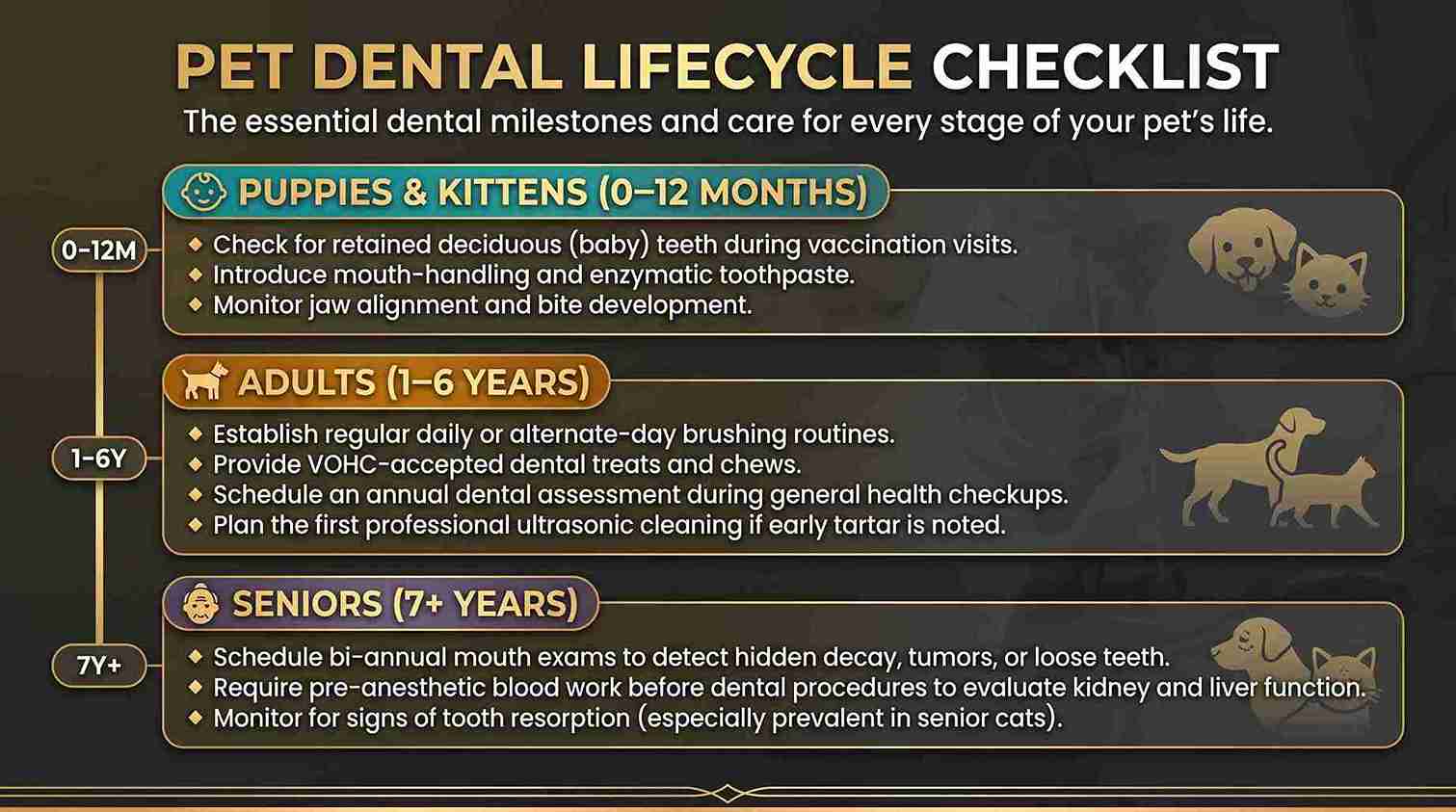
Dental needs change throughout a pet’s life, so preventive care should be adapted to its age and stage of development. Starting gentle mouth handling when a puppy or kitten is young can help establish a familiar routine and make future dental care easier.
Puppies and kittens develop baby teeth before their permanent teeth emerge. Owners should watch for persistent discomfort, damaged teeth, or retained baby teeth, which may require veterinary attention. A veterinarian can also recommend when to introduce brushing and suitable dental products.
Adult dogs and cats benefit from regular oral health assessments and a consistent home-care routine. Pets with crowded teeth, previous dental disease, or other risk factors may require closer monitoring.
Senior pets deserve particular attention because dental problems can accumulate over time. Age alone does not determine whether a pet can undergo dental treatment; the veterinarian considers overall health, individual risks, and the benefits of addressing painful oral conditions.
When Should You Visit a Veterinary Clinic in Dubai for Dental Care?
Pet owners should arrange a dental assessment when they notice persistent bad breath, red gums, visible tartar, drooling, chewing difficulties, or changes in appetite. Even without obvious symptoms, regular veterinary examinations can help identify conditions that are difficult to detect at home.
When choosing a pet clinic in Dubai, consider the veterinary team’s experience, dental examination process, available diagnostic equipment, anesthesia and monitoring protocols, and aftercare guidance. Clear communication about the proposed treatment and expected costs is also important.
A vet clinic in Dubai that provides appropriate dental assessments can help owners understand their pet’s oral health needs and determine whether preventive care, professional cleaning, or further treatment is required. Ask the veterinary team how they assess dental disease and what monitoring is used during procedures.
If you are seeking veterinary services in Dubai for your pet’s oral health, choose a provider that evaluates each animal individually and explains the available options. At Clawfield Veterinary Clinic, pet owners can discuss their concerns with a veterinary team and seek guidance on maintaining their pets’ dental health.
How to Prevent Dental Disease in Pets Over the Long Term
Long-term dental prevention depends on combining home care with appropriate professional monitoring. Brushing helps control plaque, while regular veterinary examinations allow problems to be identified and treated before they progress.
Owners should observe changes in breath, gum color, chewing habits, and willingness to eat. Keeping a record of recurring symptoms can help the veterinarian understand how long a problem has been present and whether it is getting worse.
Preventive care should be tailored to the individual animal rather than based on a fixed schedule for all pets. A young cat with healthy teeth may need a different approach from a senior dog with a history of periodontal disease.
Most importantly, dental care should be treated as a regular part of pet wellness rather than a service needed only when a problem becomes visible. Consistent attention to oral health helps support comfort, eating ability, and quality of life throughout a pet’s years.
Frequently Asked Questions About Pet Dental Care
Why is dental care important for pets?
Dental care helps control plaque, reduce the risk of gum disease, and identify painful oral conditions. Healthy teeth and gums also support comfortable eating and contribute to a pet’s overall well-being.
How often should pets have dental checkups?
The appropriate schedule depends on the pet’s age, breed, oral health, and previous dental history. Ask your veterinarian how often your dog or cat should receive an oral examination and whether professional cleaning is needed.
Can I brush my pet’s teeth every day?
Yes. Daily brushing is ideal for many pets because it helps remove plaque before it hardens into tartar. Use a soft brush and toothpaste made specifically for animals, and introduce the routine gradually to reduce stress.
What causes bad breath in dogs and cats?
Persistent bad breath commonly results from bacterial buildup, gingivitis, periodontal disease, or infected teeth. Other health conditions can also cause changes in breath, so ongoing or severe odor should be assessed by a veterinarian.
How can I tell if my pet has dental disease?
Warning signs include red or swollen gums, visible tartar, drooling, pawing at the mouth, chewing difficulties, and changes in appetite. Some pets show few obvious symptoms, making routine veterinary examinations important.
Is professional pet dental cleaning necessary?
Professional cleaning may be necessary when plaque, tartar, or gum disease cannot be adequately managed with home care. A veterinarian can assess the mouth and determine whether cleaning, dental imaging, extractions, or other treatment is appropriate.
Are dental chews enough to keep my pet’s teeth clean?
Dental chews may help reduce plaque or tartar, depending on the product, but they are not a complete replacement for brushing and veterinary examinations. Choose suitable products and consult your veterinarian about your pet’s specific needs.
Can poor dental health affect a pet’s overall health?
Yes. Dental disease can cause pain, inflammation, difficulty eating, and damage to the tissues supporting the teeth. Severe oral disease may also have wider health implications, so timely assessment and treatment are important.
Do cats need dental care even if they eat normally?
Yes. Cats may continue eating despite significant oral pain, and some dental problems develop below the gumline. Regular examinations help detect conditions that may not be apparent from appetite or behavior alone.
When should I seek urgent veterinary dental care?
Seek prompt veterinary attention for facial swelling, significant oral bleeding, severe pain, difficulty swallowing, or an inability to eat. Breathing difficulties or rapidly worsening swelling require emergency care.
Conclusion
Pet dental care is an essential part of responsible pet ownership because it helps protect the teeth and gums, supports comfortable eating, and contributes to long-term well-being. Recognizing early warning signs, brushing regularly, choosing appropriate dental products, and arranging veterinary examinations can make a meaningful difference to a pet’s quality of life.
Although home care is valuable, it cannot replace professional assessment when dental disease is present. Every dog and cat has individual needs, and an appropriate preventive plan should take age, health, and dental history into account.
By making oral hygiene a consistent part of routine healthcare, pet owners can help their companions remain comfortable and active throughout their lives. Early attention to dental problems is often the best way to avoid unnecessary discomfort and support lasting pet wellness.