

Pet skin allergies can turn everyday activities into uncomfortable experiences for dogs and cats. Constant scratching, paw licking, red skin, and recurring irritation may indicate an allergic reaction that needs attention. Recognizing these warning signs early can help you protect your pet’s comfort and overall health.
Understanding the causes of pet skin allergies is the first step toward lasting relief. Environmental allergens, flea bites, food ingredients, and household irritants can all contribute to itchy skin in pets. With the right veterinary care and a consistent management plan, many pets can experience fewer flare-ups and a better quality of life.
For pet owners in Dubai, hot weather, dust exposure, outdoor allergens, and parasite risks are important factors to consider when managing skin health. Although not every skin problem is caused by an allergy, identifying the underlying issue can help prevent unnecessary discomfort and complications.

What Are Pet Skin Allergies?
Pet skin allergies occur when an animal’s immune system reacts excessively to a substance that would not normally cause a problem. This response can trigger inflammation, itching, redness, and irritation, commonly described as allergic dermatitis.
Skin allergies in pets can affect different areas of the body, including the ears, paws, face, abdomen, and back. Some animals experience occasional symptoms, while others develop persistent or recurring skin conditions that require long-term management.
Dog skin allergies and cat skin allergies may look different. Dogs often lick their paws, scratch their ears, or develop irritated patches, while cats may overgroom, develop small scabs, or experience hair loss. A veterinary examination can help distinguish allergies from infections, parasites, and other skin disorders.
Common Causes of Skin Allergies in Pets
Identifying the cause of an allergic reaction is essential for effective treatment. Several triggers can produce similar symptoms, which is why observing your pet’s routine, diet, and exposure to potential irritants can help a veterinarian investigate the problem.
Environmental Allergies in Dogs and Cats
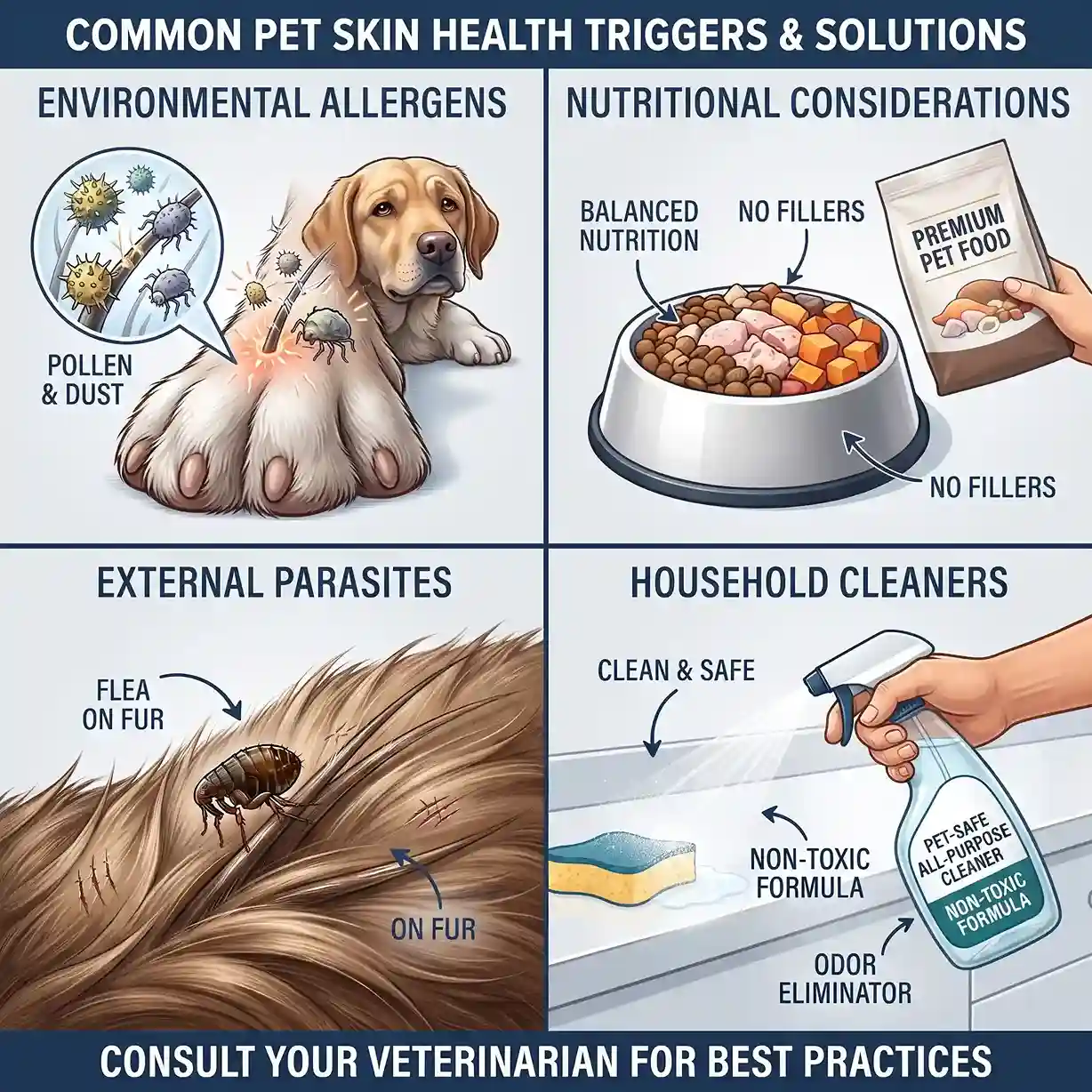
Environmental allergies occur when pets react to substances such as pollen, dust mites, mold spores, or other particles in their surroundings. These allergens can contribute to atopic dermatitis, a condition associated with persistent itching and skin inflammation.
In Dubai, dust and indoor environmental exposures may be worth discussing with your veterinarian if symptoms recur. However, location alone cannot confirm the cause, and environmental allergies may occur throughout the year rather than during a particular season.
Dogs may show signs of environmental allergies through face rubbing, paw licking, ear irritation, or scratching around the abdomen. Cats can develop similar symptoms, including excessive grooming and recurring skin lesions.
Food Allergies and Sensitivities
Food allergies in pets occur when the immune system reacts to a particular ingredient in the diet, often a protein. Depending on the animal, potential triggers may include chicken, beef, fish, dairy, or other dietary ingredients.
Food-related skin allergies can cause persistent itching, inflamed skin, recurring ear problems, and gastrointestinal symptoms in some animals. These signs may resemble environmental allergies, so appearance alone cannot reliably identify a food trigger.
If a food allergy is suspected, your veterinarian may recommend a supervised elimination diet using a suitable veterinary diet. The trial must be followed consistently, including avoiding unapproved treats, table scraps, and flavored products that could interfere with the results.
Flea Allergy Dermatitis
Flea allergy dermatitis develops when a sensitive pet reacts to proteins in flea saliva. Even a small number of flea bites may trigger significant itching, redness, and skin irritation in an affected animal.
Dogs may develop irritated skin around the lower back, tail base, or hindquarters. Cats can experience small crusts or scabs, especially around the neck and back, although the location and appearance vary between individuals.
Consistent, veterinarian-approved flea prevention is an important part of managing flea allergies. If several pets live together, your veterinarian may recommend a coordinated parasite-control plan for the household.
Contact Allergies and Household Irritants
Some pets develop skin irritation after contact with cleaning products, detergents, shampoos, plants, or other substances. Contact dermatitis may affect the areas that come into direct contact with the irritant, although other skin conditions can look similar.
Review any recent changes in household cleaners, grooming products, bedding, or outdoor activities if symptoms appear suddenly. Stop using a suspected nonessential irritant and ask your veterinarian how to protect your pet’s skin safely.
Avoid applying human creams or household remedies without professional guidance. Some ingredients can irritate the skin further or become harmful if your pet licks them.
Common Symptoms of Pet Skin Allergies
The most recognizable pet allergy symptoms involve itching and changes in the skin. Your dog or cat may scratch repeatedly, lick its paws, chew its coat, rub its face against furniture, or shake its head more frequently than usual.
Other signs include red and inflamed pet skin, rashes, scabs, flaky patches, bald spots, and excessive shedding in affected areas. Some animals develop hot spots, which are painful areas of irritated skin that may become infected when scratching or licking damages the skin.
Recurring ear infections can also accompany allergic skin disease. If your pet repeatedly develops ear discomfort, unpleasant odor, discharge, or redness, a veterinary examination can help identify the underlying cause.
Itchy Skin in Dogs
Dogs with itchy skin may focus on their paws, ears, belly, armpits, or the base of their tail. Frequent licking and chewing can damage the skin, increase inflammation, and contribute to secondary bacterial or yeast infections.
If your dog keeps scratching but you cannot see fleas, allergies are one possibility, but not the only explanation. Mites, skin infections, dry skin, and other medical conditions can cause similar behavior and should be considered.
Itchy Skin in Cats
Cats often hide signs of discomfort by grooming more frequently rather than scratching openly. Excessive grooming, thinning fur, small scabs, facial irritation, and repeated licking of the abdomen can indicate a skin problem.
Because cats may develop allergic skin disease without an obvious rash, changes in grooming habits deserve attention. A veterinarian can examine the skin and determine whether allergy treatment, parasite control, or another approach is appropriate.

How Veterinarians Diagnose Skin Allergies in Pets
Accurate diagnosis involves more than identifying an itchy area. A veterinarian will usually review your pet’s medical history, diet, parasite prevention, symptom timeline, and possible exposure to environmental or household irritants before performing a physical examination.
Depending on the findings, diagnostic procedures may include flea combing, skin scrapings, skin cytology, ear examination, or tests for other causes of irritation. These checks help identify parasites and secondary infections that may mimic or worsen allergic skin disease.
When food allergies are suspected, a controlled elimination diet may be recommended. Allergy testing can also help identify relevant environmental allergens when clinically appropriate, particularly when a veterinarian is considering allergen-specific immunotherapy.
No single test or symptom automatically confirms every type of allergy. Diagnosis may take time, and follow-up appointments can be necessary to assess the response to treatment and adjust the care plan.
Effective Treatments for Pet Skin Allergies
Pet allergy treatment depends on the underlying cause, the severity of symptoms, and whether secondary infections are present. A veterinarian may combine several approaches to reduce itching, repair the skin barrier, control parasites, and limit future flare-ups.
Veterinary Medication and Skin Care
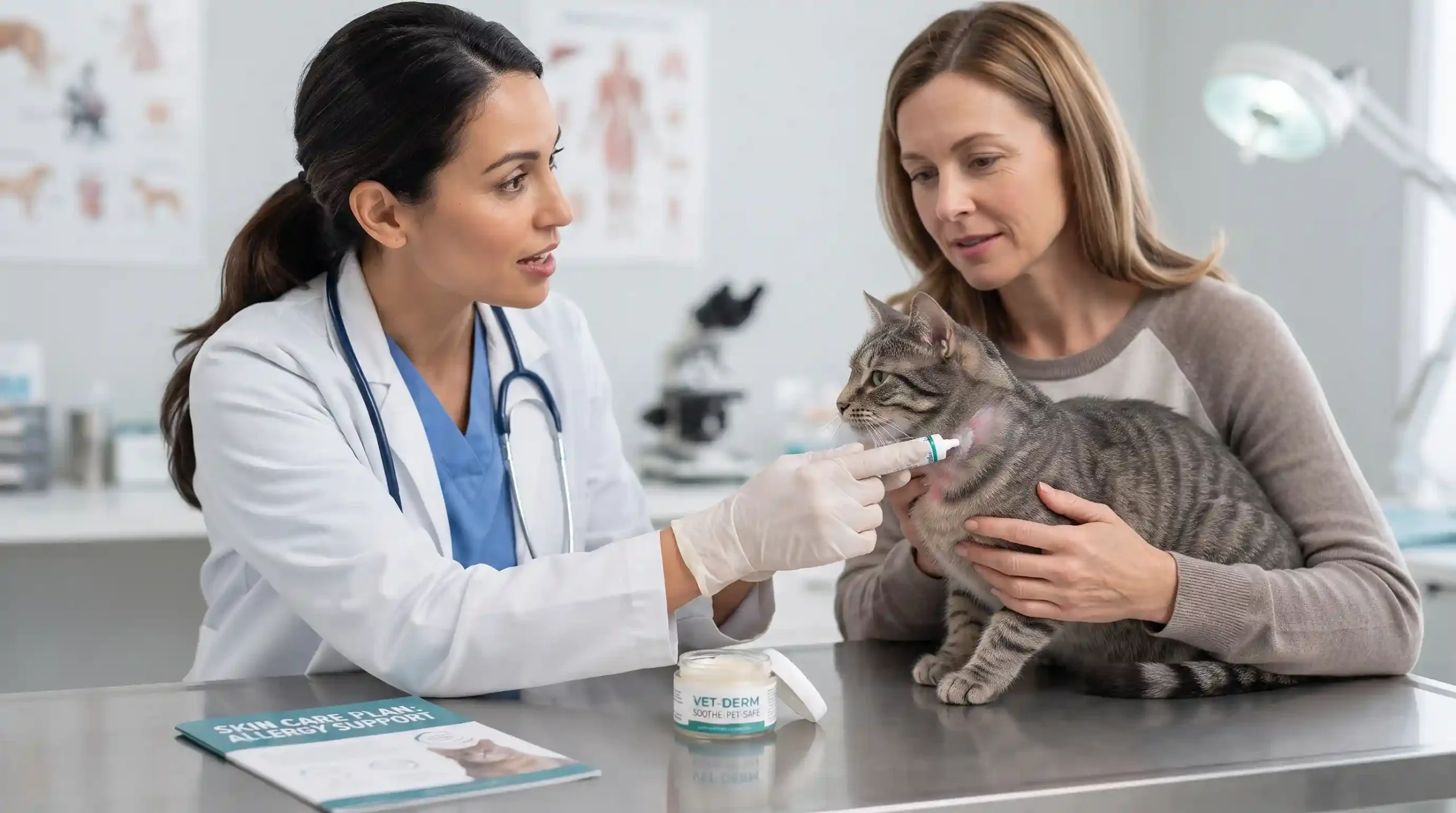
Depending on the diagnosis, a veterinarian may prescribe medication to control itching and inflammation. Treatment can also include topical products, medicated shampoos, or medication for bacterial or yeast infections when these are present.
Never give your pet human antihistamines, pain relievers, or other medication without veterinary approval. Some products are unsuitable for animals, and safe treatment depends on the specific drug, dosage, species, weight, and medical history.
Medicated Shampoos and Gentle Grooming
Veterinarian-recommended shampoos may help remove allergens from the coat, soothe certain skin conditions, or support treatment of infections. The right product and bathing schedule depend on the diagnosis, so avoid frequent bathing with harsh or fragranced products.
Use gentle grooming practices and dry your pet thoroughly after bathing. If your pet develops worsening redness, discomfort, or irritation after using a product, discontinue it and seek veterinary advice.
Dietary Management for Suspected Food Allergies
A supervised dietary trial can help determine whether a particular food ingredient is contributing to skin symptoms. Your veterinarian may recommend a hydrolyzed-protein diet or a carefully selected limited-ingredient veterinary diet.
Consistency is essential during the trial because treats, table food, supplements, and some flavored medications may affect the outcome. Avoid repeatedly switching foods without guidance, as this can make it harder to identify the trigger.
Flea Prevention and Environmental Management
For pets with flea allergy dermatitis, effective parasite control is central to treatment. Your veterinarian can recommend an appropriate preventive product and explain whether other household pets or the home environment also need attention.
For suspected environmental allergies, regular cleaning, washing pet bedding, and reducing exposure to known irritants may help. These measures can support treatment but do not replace veterinary care when symptoms are persistent or severe.
How to Help Prevent Allergy Flare-Ups
Although not every allergic reaction can be prevented, practical steps can reduce exposure to some triggers and help protect your pet’s skin. Keep your pet’s bedding clean, use veterinarian-approved parasite prevention, and introduce grooming products gradually.
Monitor changes in your pet’s diet, environment, and daily routine. Recording when itching begins, which body areas are affected, and whether symptoms change after walks or meals can help your veterinarian recognize useful patterns.
Regular veterinary checkups can also help identify skin problems before they become more uncomfortable. Pets with recurring allergies may need ongoing care, as symptoms can return even after a successful period of treatment.
Supporting Pet Skin Health in Dubai
Dubai’s climate and living environment can influence daily pet-care routines. Dust exposure, time spent outdoors, indoor air conditions, and parasite exposure may all be relevant when investigating skin irritation, although they do not necessarily mean your pet has an allergy.
After outdoor activities, check your pet’s coat and paws for dirt, debris, or visible irritation. Keep fresh water available, maintain a comfortable indoor environment, and ask your veterinarian about suitable grooming and parasite-prevention routines.
For persistent scratching, repeated skin rashes, or unexplained hair loss, professional assessment is more reliable than trying multiple home remedies. A tailored plan can address the actual cause instead of temporarily masking the symptoms.
When Should You Visit a Veterinarian?
Arrange a veterinary appointment if your pet has persistent itching, recurring ear infections, unexplained hair loss, inflamed skin, or repeated licking and chewing. Early assessment can help identify the cause and reduce the risk of further skin damage or infection.
Seek prompt veterinary attention if the skin becomes painful, develops pus or a strong odor, or shows rapidly worsening redness or swelling. Facial swelling, difficulty breathing, collapse, or other signs of a severe allergic reaction require emergency veterinary care.
Avoid waiting for symptoms to disappear if your pet is damaging its skin through constant scratching. A timely examination can help determine whether the problem is an allergy, a parasite infestation, an infection, or another condition that needs different treatment.
At Clawfield Veterinary Clinic, pet owners can discuss skin concerns, possible allergy triggers, and appropriate next steps with a veterinary professional. The goal is to help pets feel more comfortable through accurate assessment, suitable treatment, and ongoing preventive care.